Shetland>Further afield
Further afield in Shetland
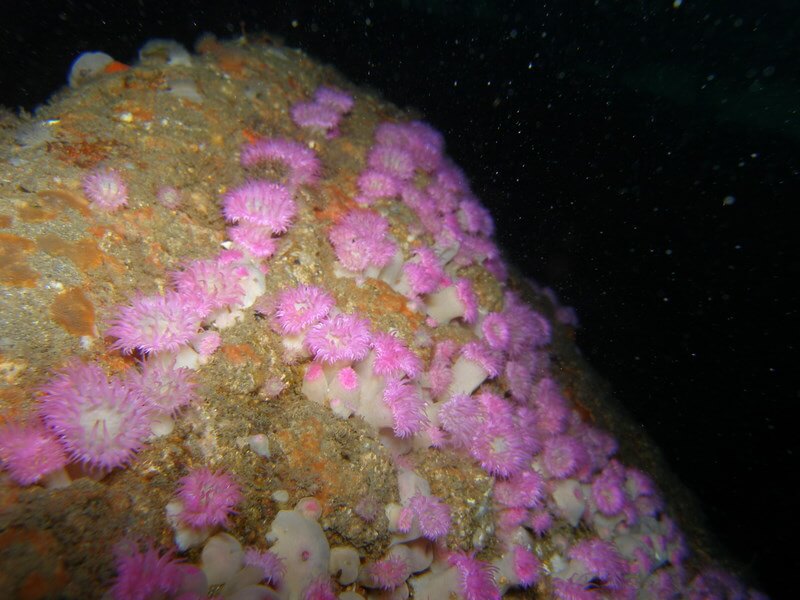
Pink ..not narcosis
Shetland Wreck Diving
Shetland scuba diving offers some of the best visibility on dives in the UK, with average vis at 10m, with up to 25m being reported on certain dives. Wrecks tend to be more intact the deeper you go. The parts of the island chain away from Lerwick offer some truly spectacular scenic dives and the list of wrecks is being widened every year.
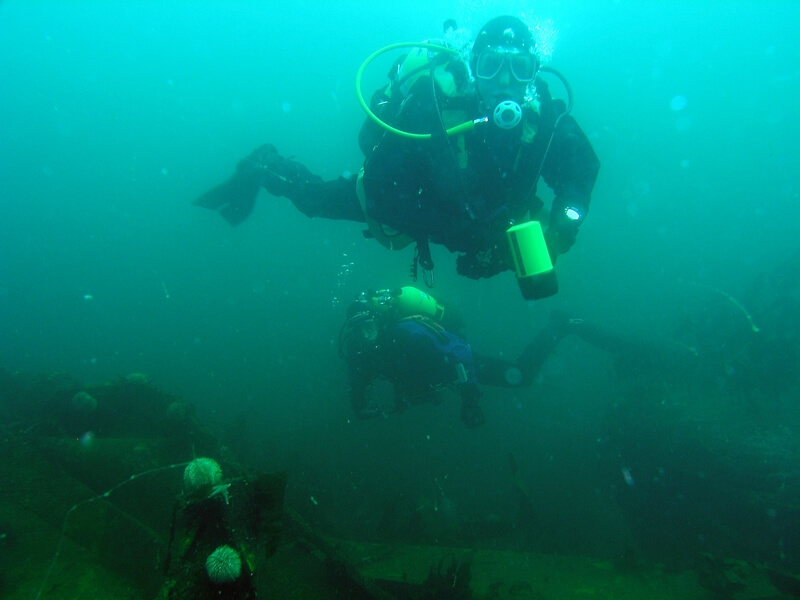
Divers on the Lunokhods-1
Shetland Scenic Diving
Life on the wrecks is stunning, with lumpsuckers, angler fish, shoals of pollack, butterfish and the occasional conger peering out of a hole enough to keep anyone happy. Nudibranches are also very common on the wrecks, a macro photographers dream! Cetaceans are common here, with Minke, Orca, Risso’s Dolphins, Bottlenose Dolphins, Porpoises and White Sided Dolphins being the most common.
Shetland Dive Charters
Charters run from Sunday to Friday to fit in with the ferries from Aberdeen (arrive 7am Sunday morning, depart 5pm Friday evening).
Dive sites around Mousa, Whalsay, Fetlar, Out Skerries, Yell and Unst
SS Murrayfield
(Max depth 30m) The 576 ton steamship Murrayfield was on passage from Lerwick to Newcastle in April 1942 when she grounded in fog on Mousa. She then floated off on the flood tide and sank. The wreck lies in 30 metres and is broken.
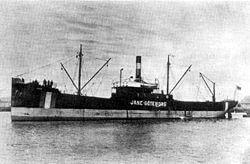
SS Jane
SS Jane
(max depth 22m) The 840 ton Jane, with a cargo of herring was en-route from Baltasound, Unst to Lerwick, in July 1923 when she ran aground on the island of Linga. She later slipped off the rocks and sank. The wreck now lies on a Mearl seabed in 20m of water in an area of strong tide, She is covered in marine life and makes an excellent dive.
SS St Sunniva
(Max depth 28m) The St Sunniva was the mail steamer for Shetland. She hit the rocks at Mousa in fog in April 1930 and immediately started to break up. The wreckage now lies in small gullies in the rocks and is unrecognisable. However it remains a good rummage dive.
MV Brear
On the 5th January 1993, the Braer Oil Tanker, en route from Mongstad, Norway to Quebec, Canada, ran ashore at Garths Ness, south Shetland, whilst carrying 85,000 tonnes of crude oil. The wreck lies in against the shore and is enormous. A slack water, good weather dive.
MV Goodwill Merchant
Max depth 25m) In Jan 1976 the General Cargo vessel Goodwill Merchant was en-route from Grangemouth, Scotland to Shetland with a cargo that included many new cars, when she ran ashore in bad weather on the West of Shetland.
A tricky dive site to access, it relies on good weather and the ship is very broken into gullies at the base of some cliffs.
SS Highcliffe
(Max depth 25m) The 2500 ton Highcliffe ran ashore near Papa Stour in West Shetland in Feb 1940. The crew made some serious navigational errors while en-route from Narvick to Immingham and she hit the rocks on Forewick Holm. A great dive.
HMS Oceanic
(Max depth 15m) The ex white star liner Oceanic was employed as an armed merchant cruiser in 1914 but due to navigational error she grounded on the Hoevdi rocks near Foula in fog and was wrecked. The wreckage extends over a very wide area of strong tidal flows. Perfect weather and neap tides are needed for this dive.
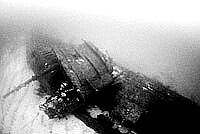
E-49 Submarine
HMS E49
(Max depth 32m) The British Submarine E49 was returning to patrol after repairs in Baltasound on Unst on the 12th march 1917 when she hit a mine laid by UC76 and sank with all hands. The wreck is a war grave. The beautiful site lies in an area of white sand and covers and uncovers as the sand shifts each year. A very poignant and thought provoking dive.
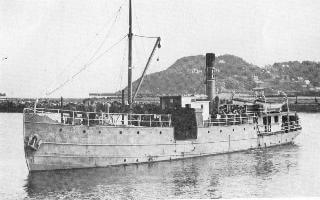
This picture is of her sister ship the Rigel.
SS Robert Lea
(Max depth 16m) the 422 ton Steamship Robert lea left Alexandria whaling station in Shetland bound for Liverpool in July 1914 when she suffered engine failure and wrecked on rocks in Yell Sound. The wreck is broken but recognisable lying on sand and rocks in 12-15 meters. This is a slack water dive only.
SV Bohus
(Max depth 20m) The steel barque Bohus was en-route from Gothenburg for Taltal, Chile, but ran onto the Otterswick rocks in severe storms during April 1924. Four of the crew of thirty nine lost their lives. The wreck is broken but parts are recognisible and it makes for an interesting dive.
SS Tonis Chandris
(Max depth 30m) In January 1940, while trying to avoid a German U boat, the SS Tonis Chandris, en route from Narvik with a cargo of iron ore, ran aground near Mu Ness, Unst. An attempt was made to tow her off but she was too badly holed and quickly sank into 25-30m of water. The wreck is badly broken but still identifiable.
SS Dovre
(max depth 12m) Built in February 1875 weighing 973 Tons, this Norwegian Steamship went ashore in bad weather on the 16th of January 1913. The Dovre is in very shallow water and was salvaged to the waterline however her remains including boiler, engine and lower hull although somewhat broken up, makes for a good second dive or a site sheltered from the south. The site of the Dovre was dived for the first time by Valkyrie based divers in 2009 and we are sure it has more to reveal.
Lunna Wall
The Lunna peninsula runs to the North East and a shear drop off along its North Sea coast makes for a spectacular dive. Although sometimes a little bare the topography makes this a good checkout dive on the way North to Fetlar and Unst.
FV Rapid
The Peterhead Steam Trawler Rapid was lost on the 14th January 1912 after a battle with a storm when she lost her rudder. Her skipper managed to steer her, through an incredible feat of seamanship, into Vidlin Voe where she unluckily struck a rock and sank. The wreck lies broken at the base of the rocks and makes a pleasant rummage in fairly shallow water.
Shetland scuba diving offers some of the best visibility on dives in the UK, with average vis at 10m, with up to 25m being reported on certain dives. Wrecks tend to be more intact the deeper you go. The parts of the island chain away from Lerwick offer some truly spectacular scenic dives and the list of wrecks is being widened every year.
Shetland Scenic Diving
Life on the wrecks is stunning, with lumpsuckers, angler fish, shoals of pollack, butterfish and the occasional conger peering out of a hole enough to keep anyone happy. Nudibranches are also very common on the wrecks, a macro photographers dream! Cetaceans are common here, with Minke, Orca, Risso’s Dolphins, Bottlenose Dolphins, Porpoises and White Sided Dolphins being the most common.
Shetland Dive Charters
Charters run from Sunday to Friday to fit in with the ferries from Aberdeen (arrive 7am Sunday morning, depart 5pm Friday evening).
Dive sites around Mousa, Whalsay, Fetlar, Out Skerries, Yell and Unst
SS Murrayfield
(Max depth 30m) The 576 ton steamship Murrayfield was on passage from Lerwick to Newcastle in April 1942 when she grounded in fog on Mousa. She then floated off on the flood tide and sank. The wreck lies in 30 metres and is broken.
SS Jane
(max depth 22m) The 840 ton Jane, with a cargo of herring was en-route from Baltasound, Unst to Lerwick, in July 1923 when she ran aground on the island of Linga. She later slipped off the rocks and sank. The wreck now lies on a Mearl seabed in 20m of water in an area of strong tide, She is covered in marine life and makes an excellent dive.
SS St Sunniva
(Max depth 28m) The St Sunniva was the mail steamer for Shetland. She hit the rocks at Mousa in fog in April 1930 and immediately started to break up. The wreckage now lies in small gullies in the rocks and is unrecognisable. However it remains a good rummage dive.
MV Brear
On the 5th January 1993, the Braer Oil Tanker, en route from Mongstad, Norway to Quebec, Canada, ran ashore at Garths Ness, south Shetland, whilst carrying 85,000 tonnes of crude oil. The wreck lies in against the shore and is enormous. A slack water, good weather dive.
MV Goodwill Merchant
Max depth 25m) In Jan 1976 the General Cargo vessel Goodwill Merchant was en-route from Grangemouth, Scotland to Shetland with a cargo that included many new cars, when she ran ashore in bad weather on the West of Shetland.
A tricky dive site to access, it relies on good weather and the ship is very broken into gullies at the base of some cliffs.
SS Highcliffe
(Max depth 25m) The 2500 ton Highcliffe ran ashore near Papa Stour in West Shetland in Feb 1940. The crew made some serious navigational errors while en-route from Narvick to Immingham and she hit the rocks on Forewick Holm. A great dive.
HMS Oceanic
(Max depth 15m) The ex white star liner Oceanic was employed as an armed merchant cruiser in 1914 but due to navigational error she grounded on the Hoevdi rocks near Foula in fog and was wrecked. The wreckage extends over a very wide area of strong tidal flows. Perfect weather and neap tides are needed for this dive.
HMS E49
(Max depth 32m) The British Submarine E49 was returning to patrol after repairs in Baltasound on Unst on the 12th march 1917 when she hit a mine laid by UC76 and sank with all hands. The wreck is a war grave. The beautiful site lies in an area of white sand and covers and uncovers as the sand shifts each year. A very poignant and thought provoking dive.
SS Robert Lea
(Max depth 16m) the 422 ton Steamship Robert lea left Alexandria whaling station in Shetland bound for Liverpool in July 1914 when she suffered engine failure and wrecked on rocks in Yell Sound. The wreck is broken but recognisable lying on sand and rocks in 12-15 meters. This is a slack water dive only.
SV Bohus
(Max depth 20m) The steel barque Bohus was en-route from Gothenburg for Taltal, Chile, but ran onto the Otterswick rocks in severe storms during April 1924. Four of the crew of thirty nine lost their lives. The wreck is broken but parts are recognisible and it makes for an interesting dive.
SS Tonis Chandris
(Max depth 30m) In January 1940, while trying to avoid a German U boat, the SS Tonis Chandris, en route from Narvik with a cargo of iron ore, ran aground near Mu Ness, Unst. An attempt was made to tow her off but she was too badly holed and quickly sank into 25-30m of water. The wreck is badly broken but still identifiable.
SS Dovre
(max depth 12m) Built in February 1875 weighing 973 Tons, this Norwegian Steamship went ashore in bad weather on the 16th of January 1913. The Dovre is in very shallow water and was salvaged to the waterline however her remains including boiler, engine and lower hull although somewhat broken up, makes for a good second dive or a site sheltered from the south. The site of the Dovre was dived for the first time by Valkyrie based divers in 2009 and we are sure it has more to reveal.
Lunna Wall
The Lunna peninsula runs to the North East and a shear drop off along its North Sea coast makes for a spectacular dive. Although sometimes a little bare the topography makes this a good checkout dive on the way North to Fetlar and Unst.
FV Rapid
The Peterhead Steam Trawler Rapid was lost on the 14th January 1912 after a battle with a storm when she lost her rudder. Her skipper managed to steer her, through an incredible feat of seamanship, into Vidlin Voe where she unluckily struck a rock and sank. The wreck lies broken at the base of the rocks and makes a pleasant rummage in fairly shallow water.
DIVING IN NORWAY
Looking for more adventure? During the summer months of 2018 & 2022 our itinerary took us to the stunning fjords of Norway. Based in Bergen for changeovers, our Norway trips travelled North through the myriad of islands and narrow fjords, to Sonnefjord and beyond… We will be going to Norway again in 2025. We have limited spaces left for June and July 2025. Get in touch for more information.
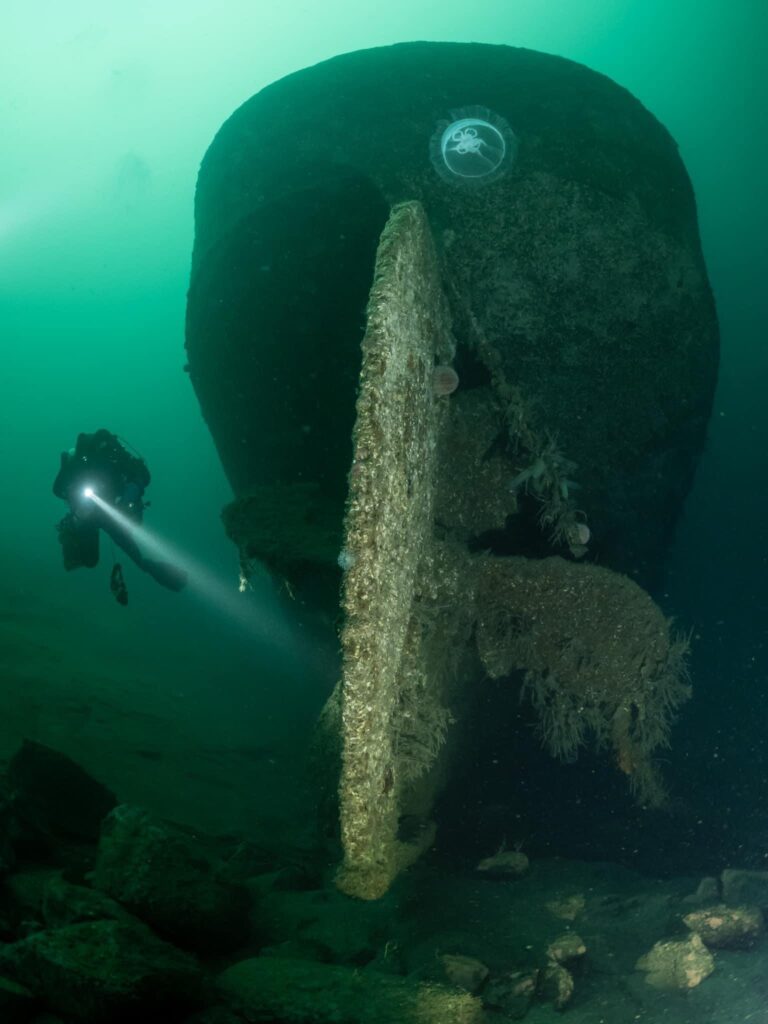
Picture by Guilhem Duprat.
